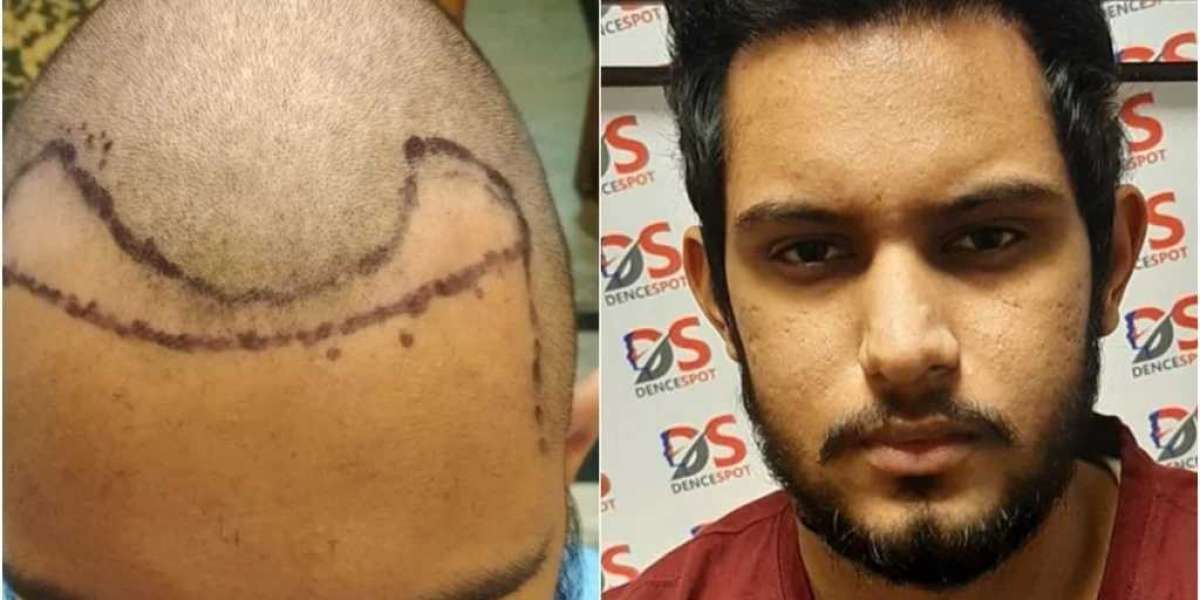

Hair loss can affect your appearance, confidence, and everyday comfort. While temporary hair fall may improve with proper care, persistent thinning or bald patches may require professional evaluation. A hair transplant is one option for people who want to restore hair in areas affected by permanent hair loss.
Choosing the right Hair Transplant Clinic in Gurgaon is an important part of the process. A qualified medical team can assess your hair loss pattern, donor area, scalp condition, and expectations before recommending a suitable treatment approach.
What Is a Hair Transplant?
A hair transplant is a procedure in which healthy hair follicles are taken from a donor area, usually the back or sides of the scalp, and placed into areas with thinning or limited hair growth.
Because the transplanted follicles are generally resistant to the effects of pattern hair loss, they can continue growing after successful transplantation. However, results can vary depending on factors such as genetics, existing hair density, donor hair quality, age, and aftercare.
Why Consider a Hair Transplant Clinic in Gurgaon?
Gurgaon has become a major healthcare destination with clinics offering different hair restoration procedures. Patients can find specialists who provide consultation, diagnosis, treatment planning, and follow-up care in one location.
Before selecting a clinic, it is useful to compare:
- Doctor's qualifications and experience
- Hair transplant techniques offered
- Consultation and evaluation process
- Clinic hygiene and facilities
- Transparency about treatment costs
- Before-and-after results
- Post-treatment support
- Reviews and patient experiences
The goal should be to find a clinic where the treatment plan is based on your individual condition rather than a standard package.
Common Hair Transplant Techniques
Different techniques may be recommended depending on the patient's hair loss and donor area.
FUE Hair Transplant
Follicular Unit Extraction (FUE) involves extracting individual follicular units from the donor area and implanting them into the recipient area. It does not require removing a long strip of scalp and generally leaves small extraction marks.
FUT Hair Transplant
Follicular Unit Transplantation (FUT) involves removing a strip of skin containing hair follicles from the donor area. The follicles are separated and transplanted into areas affected by hair loss.
DHI Hair Transplant
Direct Hair Implantation (DHI) is a technique in which extracted follicles are implanted using a specialized implantation tool. Depending on the patient's condition, it may be considered for precise placement and density control.
The appropriate technique should be decided after a medical assessment rather than choosing a procedure solely because it is popular.
Who Can Consider a Hair Transplant?
A hair transplant may be considered by people experiencing permanent hair loss, including certain types of male or female pattern hair loss.
A consultation generally evaluates:
- The type and extent of hair loss
- Hair density in the donor area
- Scalp health
- Age and hair-loss progression
- Existing medical conditions
- Previous hair treatments
- Expected cosmetic outcome
Not everyone with hair loss is an ideal candidate. In some cases, doctors may recommend treating an underlying scalp or hair condition before considering transplantation.
How Does the Procedure Work?
A typical hair transplant involves several stages.
1. Consultation
The doctor examines the scalp and discusses your hair-loss history and goals.
2. Treatment Planning
The donor and recipient areas are evaluated, and the expected number of grafts may be estimated.
3. Donor Preparation
The donor area is prepared before follicular extraction or harvesting.
4. Graft Extraction
Hair follicles are carefully removed using the selected technique.
5. Recipient Area Preparation
Tiny openings or channels may be created according to the planned hairline and density.
6. Graft Placement
The extracted follicles are placed into the recipient areas with attention to direction, angle, and distribution.
7. Aftercare
The patient receives instructions regarding scalp care, washing, medication, sleeping position, and physical activity.
Hair Transplant Recovery
Recovery varies from person to person. Mild redness, swelling, tightness, or sensitivity may occur during the initial period. Small scabs can also develop around transplanted follicles.
Following the clinic's aftercare instructions is important. Patients may be advised to avoid strenuous exercise, direct pressure on the scalp, swimming, or other activities for a specific period.
The transplanted hair does not usually appear immediately as the final result. Some transplanted hairs may shed temporarily before new growth begins.
When Can You See Hair Transplant Results?
Hair growth after transplantation happens gradually. The timeline differs between individuals, but visible changes generally develop over several months.
A simplified timeline may look like this:
- First few weeks: Healing and temporary shedding may occur.
- 1–3 months: Early growth activity may begin.
- 3–6 months: New hair growth becomes more noticeable.
- 6–12 months: Density and coverage continue improving.
- 12 months and beyond: The final appearance may become clearer.
Your doctor can provide a more personalized expectation based on your procedure and individual hair characteristics.
What Affects Hair Transplant Cost in Gurgaon?
The cost of treatment can vary considerably. There is no single price that applies to every patient.
Important cost factors include:
- Number of grafts required
- Hair transplant technique
- Doctor's expertise
- Clinic facilities
- Complexity of the procedure
- Extent of hair loss
- Number of treatment sessions
- Additional consultation or aftercare requirements
Instead of selecting a clinic only according to price, patients should understand what is included in the quoted treatment cost.
How to Choose the Right Clinic
Selecting a suitable clinic requires more than looking at advertisements or promotional offers.
Before making a decision, consider asking:
- Who will perform the procedure?
- What technique is being recommended and why?
- How many grafts may be required?
- Is the donor area sufficient?
- What results can realistically be expected?
- What is included in the treatment cost?
- What aftercare will be provided?
- What are the possible risks and complications?
- Can previous patient results be reviewed?
- How will future hair loss be managed?
A detailed consultation can help you understand whether the proposed treatment matches your needs.
Importance of Natural-Looking Results
A successful hair transplant is not simply about adding more hair. The design of the hairline, direction of hair growth, graft distribution, and use of donor follicles all influence the final appearance.
A natural-looking hairline should generally complement the patient's age, facial structure, existing hair, and expected future hair loss. Conservative planning can also help preserve donor hair for future needs.
Final Thoughts
Choosing a Hair Transplant Clinic in Gurgaon should involve careful research, professional consultation, and realistic expectations. Different techniques may be suitable for different patients, so treatment should be planned according to individual hair loss, donor availability, scalp health, and desired results.
Before proceeding, discuss the procedure, expected outcome, recovery period, possible risks, and total cost with a qualified hair-restoration professional. Taking time to understand these factors can help you make a more informed decision about hair restoration.