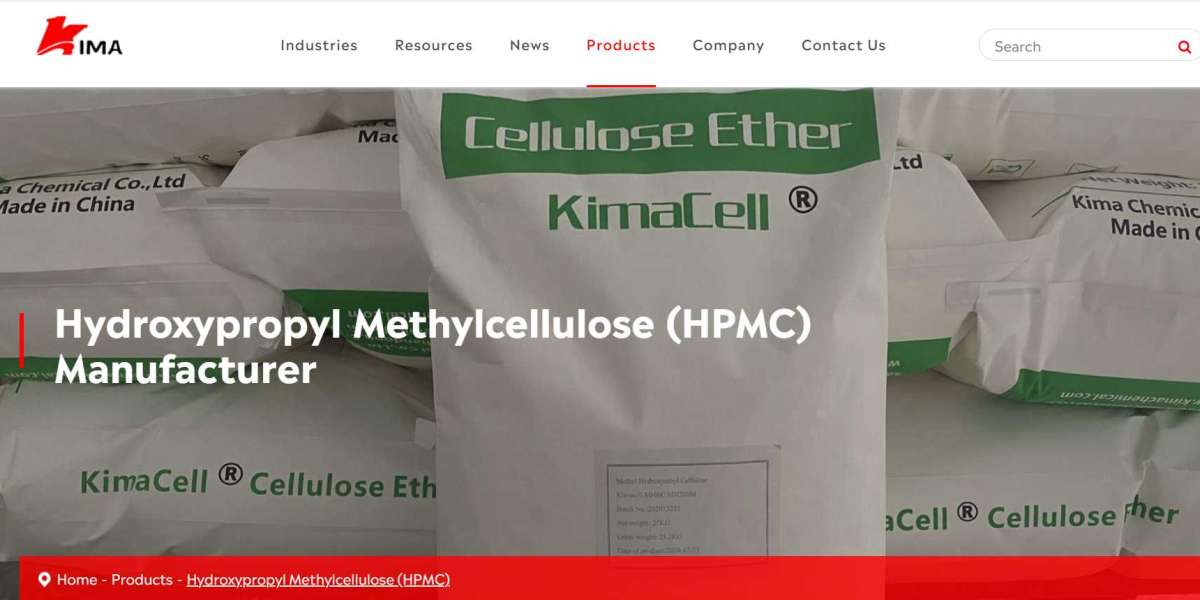

Kimacellulose belongs to a broad category of cellulose-based materials that are attracting attention across modern industries. Cellulose is a naturally occurring polymer found in plants and hpmcwidely recognized for its strength, structure, and renewable origin. Over time, advances in processing technology have allowed manufacturers and researchers to develop cellulose materials with different characteristics, making them suitable for numerous applications.
One of the most valuable features of cellulose is its adaptability. Natural cellulose can be processed into different physical forms depending on the desired purpose. Fibrous cellulose, powdered cellulose, films, and modified cellulose derivatives can each provide different performance characteristics. This versatility allows cellulose-based materials to be considered for applications ranging from traditional manufacturing to emerging technologies.
Kimacellulose may be relevant to industries interested in materials that can provide functional performance while originating from renewable resources. The growing interest in sustainable manufacturing has encouraged companies to examine alternatives to materials derived entirely from nonrenewable resources. Cellulose can be sourced from various plant materials, although responsible sourcing and appropriate processing are essential when considering its environmental advantages.
In manufacturing, cellulose-based materials can provide several useful properties. Certain grades may help control viscosity, improve consistency, support structural integrity, or influence moisture behavior in formulations. These characteristics can be valuable when developing products that require predictable physical performance. The precise behavior of Kimacellulose depends on its formulation, grade, production process, and intended use, making technical specifications important for professional applications.
Packaging is another area where cellulose continues to receive attention. Traditional packaging materials often rely heavily on petroleum-based polymers. Researchers and manufacturers are therefore investigating renewable materials that could complement or replace certain conventional components. Cellulose can be processed into films, coatings, molded structures, and composite materials, creating opportunities for more diverse packaging designs.
The material is also important in research involving advanced composites. Cellulose fibers can be combined with other materials to produce structures with useful mechanical characteristics. Researchers are studying ways to improve strength, flexibility, barrier properties, and durability while maintaining the advantages associated with renewable feedstocks. These developments could contribute to future applications in construction materials, consumer products, automotive components, and industrial equipment.
Another important consideration is quality control. Cellulose-based products can vary according to raw-material source, particle size, moisture content, purity, and processing conditions. Manufacturers need consistent specifications when incorporating such materials into production. Proper storage is equally important because excessive moisture or unsuitable environmental conditions may influence material performance.
Sustainability should also be evaluated across the entire product lifecycle. Although cellulose originates from renewable biological sources, producing a cellulose-based material can involve water, energy, transportation, and chemical processing. Responsible sourcing, efficient manufacturing, waste reduction, and appropriate end-of-life management all contribute to a more complete assessment of environmental performance.
As research continues, cellulose is likely to remain an important material platform for innovation. New technologies are allowing researchers to modify cellulose at increasingly precise levels, creating materials with specialized properties for specific applications.
Overall, Kimacellulose represents an interesting subject within the expanding field of cellulose technology. Its connection with a versatile natural polymer highlights the continuing importance of renewable materials in modern manufacturing. Through careful development, testing, and responsible production, cellulose-based materials can contribute to a wide range of industrial and technological applications.