

In the sterile corridors of Birmingham Women's and Children's NHS Foundation Trust, a young man named James Stokes carries himself with the measured poise of someone who has found his place. His oxford shoes whisper against the floor as he acknowledges colleagues—some by name, others with the familiar currency of a "how are you."

James wears his NHS lanyard not merely as an employee badge but as a testament of belonging. It hangs against a pressed shirt that gives no indication of the difficult path that preceded his arrival.
What sets apart James from many of his colleagues is not immediately apparent. His bearing discloses nothing of the fact that he was among the first participants of the NHS Universal Family Programme—an effort crafted intentionally for young people who have been through the care system.
"I found genuine support within the NHS structure," James reflects, his voice controlled but revealing subtle passion. His statement summarizes the heart of a programme that aims to revolutionize how the massive healthcare system perceives care leavers—those often overlooked young people aged 16-25 who have emerged from the care system.
The figures tell a troubling story. Care leavers often face poorer mental health outcomes, financial instability, housing precarity, and lower academic success compared to their peers. Beneath these clinical numbers are individual journeys of young people who have traversed a system that, despite genuine attempts, frequently fails in providing the supportive foundation that shapes most young lives.
The NHS Universal Family Programme, established in January 2023 following NHS England's promise to the Care Leaver Covenant, embodies a substantial transformation in institutional thinking. At its heart, it recognizes that the entire state and civil society should function as a "communal support system" for those who haven't experienced the stability of a conventional home.
Ten pioneering healthcare collectives across England have led the way, developing structures that reimagine how the NHS—one of Europe's largest employers—can create pathways to care leavers.
The Programme is detailed in its methodology, starting from comprehensive audits of existing practices, forming governance structures, and securing executive backing. It understands that meaningful participation requires more than good intentions—it demands practical measures.
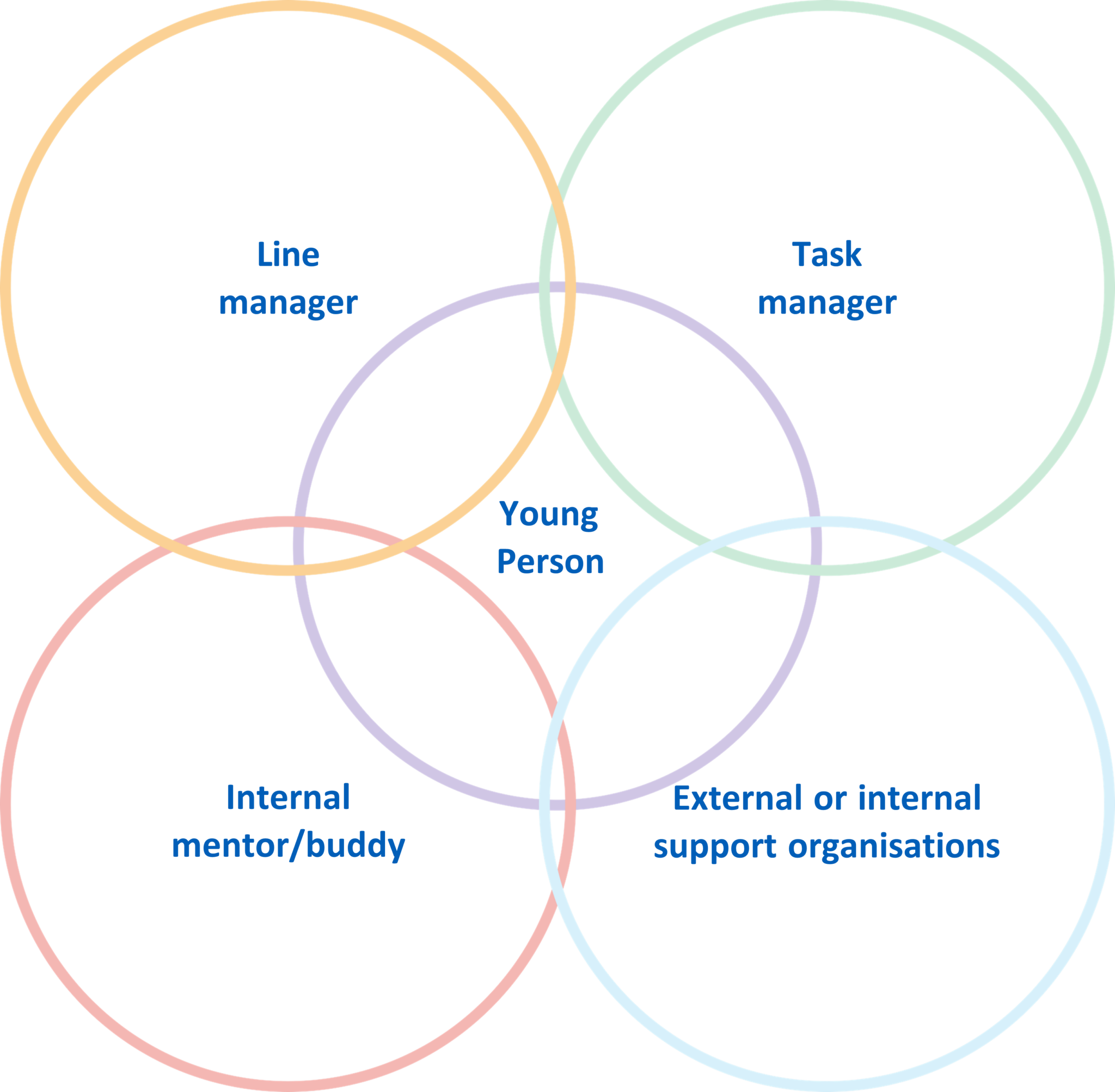
In NHS Birmingham and Solihull ICB, where James found his footing, they've established a reliable information exchange with representatives who can offer assistance and counsel on mental health, HR matters, recruitment, and inclusivity efforts.
The traditional NHS recruitment process—formal and possibly overwhelming—has been thoughtfully adapted. Job advertisements now emphasize character attributes rather than extensive qualifications. Application procedures have been reimagined to address the particular difficulties care leavers might experience—from missing employment history to facing barriers to internet access.
Perhaps most significantly, the Programme understands that starting a job can present unique challenges for care leavers who may be navigating autonomy without the safety net of parental assistance. Concerns like transportation costs, proper ID, and bank accounts—assumed basic by many—can become major obstacles.
The beauty of the Programme lies in its thorough planning—from outlining compensation information to helping with commuting costs until that crucial first wage disbursement. Even ostensibly trivial elements like coffee breaks and workplace conduct are thoughtfully covered.
For James, whose professional path has "revolutionized" his life, the Programme delivered more than employment. It provided him a sense of belonging—that ineffable quality that develops when someone senses worth not despite their history but because their unique life experiences improves the organization.
"Working for the NHS isn't just about doctors and nurses," James observes, his expression revealing the quiet pride of someone who has discovered belonging. "It's about a family of different jobs and roles, a family of people who really connect."
The NHS Universal Family Programme exemplifies more than an employment initiative. It stands as a strong assertion that organizations can change to embrace those who have experienced life differently. In doing so, they not only transform individual lives but enhance their operations through the unique perspectives that care leavers provide.
As James navigates his workplace, his presence subtly proves that with the right help, care leavers can flourish in environments once considered beyond reach. The embrace that the NHS has provided through this Programme symbolizes not charity but acknowledgment of untapped potential and the fundamental reality that each individual warrants a family that champions their success.